How to Choose PVC Fluid Hose for Hydraulic Systems (Pressure Ratings Guide)
Understanding PVC Fluid Hose Basics
What is PVC Fluid Hose?
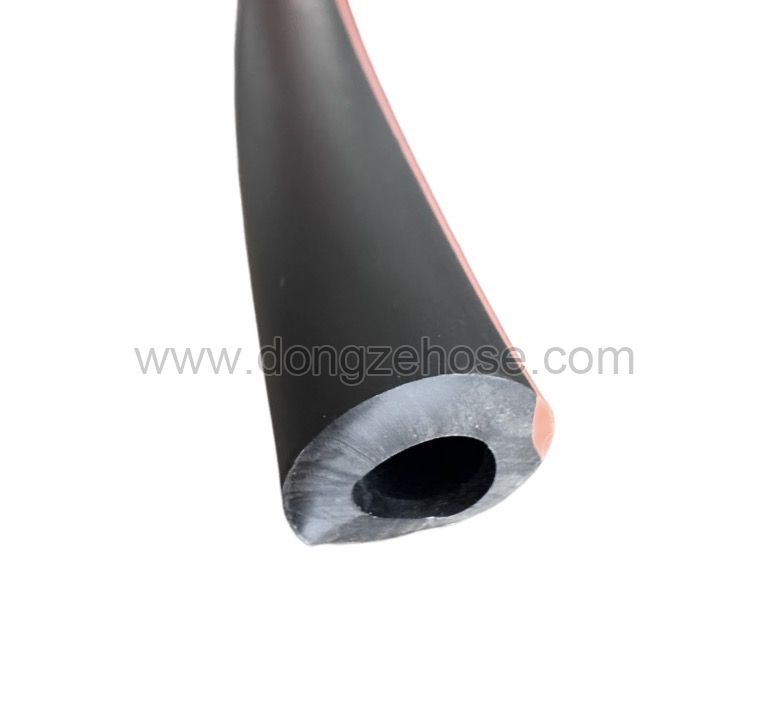
PVC (Polyvinyl Chloride) fluid hoses are versatile products specifically designed for fluid transport in hydraulic systems. Their lightweight nature and resistance to wear and tear make them suitable for various applications.
Why Choose PVC Fluid Hose?
PVC fluid hoses offer several advantages, including flexibility, chemical resistance, and affordability, making them an ideal choice for hydraulic systems.
Identifying Your Requirements
Assessing Your Hydraulic System Needs
First, identify the specific requirements of your hydraulic system. Consider the following:
- Working pressure limits
- Temperature ranges
- Fluid types
- Hose length and diameter
Choosing the Right Diameter
Selecting the correct hose diameter is crucial for ensuring efficient fluid flow. Measure the inlet and outlet sizes of the hydraulic components before making a choice.
Understanding Pressure Ratings
What are Pressure Ratings?
Pressure ratings refer to the maximum pressure a hose can withstand without failing. It’s vital to choose hoses that exceed your system's pressure to ensure safety and longevity.
Calculating Required Pressure Ratings
To determine the necessary pressure rating:
- Identify the maximum operating pressure of your application.
- Consider safety factors – typically a 1.5 to 2 times multiplier of the max pressure.
- Select a hose with a pressure rating above that calculated figure.
Material Considerations
The Benefits of PVC Material
- Corrosion resistance
- Flexibility in various conditions
- Cost-effective solution
Comparing PVC with Other Materials
Understand the differences between PVC and other materials like rubber and polyurethane, especially in terms of durability, cost, and flexibility.
Installation Guidelines
Required Tools for Installation
Before starting your hose installation, make sure you have the following tools:
- Hose cutter
- Wrenches
- Thread sealant
- Clamps
Step-by-Step Installation Process
Follow these steps for a successful PVC fluid hose installation:
- Measure and cut the hose to the desired length.
- Prepare the connectors by cleaning the threads.
- Apply thread sealant to ensure a leak-proof seal.
- Attach the hose to the hydraulic components securely using wrenches.
- Test the system for leaks before full operation.
Common Mistakes to Avoid
Overlooking Temperature Ratings
PVC hoses have specific temperature ratings. Failing to consider these may lead to premature wear and failure.
Using Incompatible Fluids
Ensure the fluids in your system are compatible with PVC hoses; otherwise, it could degrade the hose material.
Ignoring Maintenance Needs
Regular inspections and maintenance are critical in extending the life of your PVC fluid hose. Always check for signs of wear and tear.
Conclusion: Making the Right Choice
Choosing the correct PVC fluid hose for your hydraulic system is crucial to its performance. By following this guide, you will be well-prepared to select a hose that meets your requirements. Remember, for high-quality PVC fluid hoses, consider Shanwei Dongze to fulfill your hydraulic needs efficiently, ensuring durability and reliability in your applications.


Comments
Post a Comment