What is a lay flat hose?
In the world of fluid transportation, PVC Lay Flat Hose has emerged as a game-changer. This versatile product addresses the pressing needs of various sectors, from agriculture to construction. Its design allows for easy laying and movement over uneven surfaces, eliminating the common issues associated with traditional hoses, such as kinking and tangling. As industries increasingly strive for efficiency, adopting PVC Lay Flat Hose solutions can lead to measurable improvements in productivity and cost savings. This article will dive deep into what PVC Lay Flat Hose is, its applications, defining characteristics, and why it's an indispensable tool in modern operations.
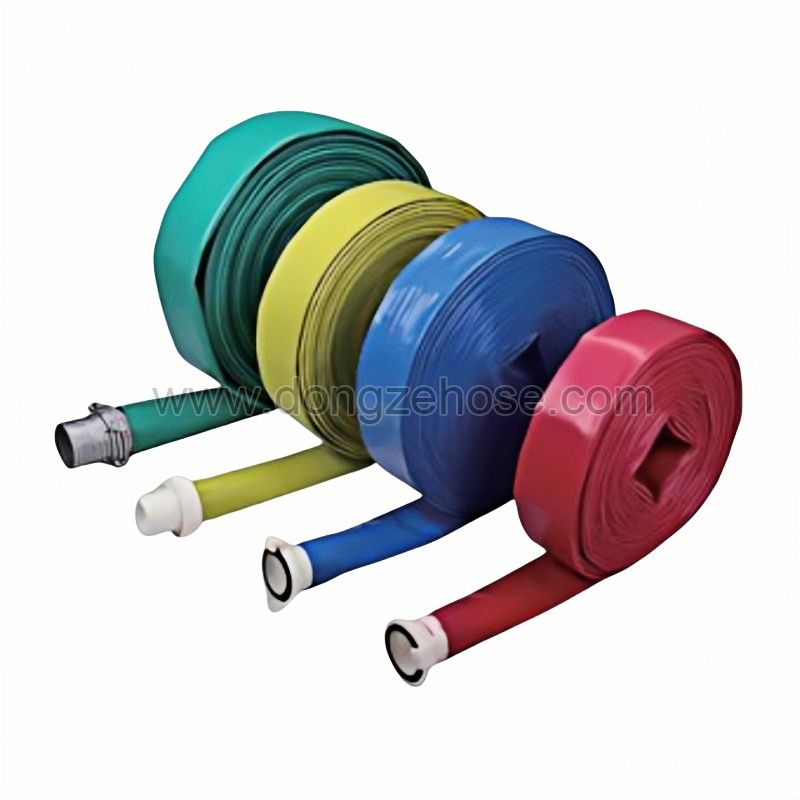
What is a PVC Lay Flat Hose?
PVC Lay Flat Hose is a type of lightweight, flexible hose made from polyvinyl chloride (PVC) that lays flat when not in use. Unlike rigid hoses, which can be bulky and difficult to handle, lay flat hoses are designed to roll up tightly and easily. When filled with water or other fluids, these hoses expand, allowing for higher flow rates and efficient transportation. According to a recent report from CoinDesk, the demand for flexible and adaptable pipelines has surged by 25% in recent years in various industries, driving innovations in hose design.
Industry Terminology Explained
- Lay Flat: This refers to the ability of the hose to collapse and lay flat when not in operation, reducing storage needs.
- PVC (Polyvinyl Chloride): A synthetic plastic polymer that is widely used due to its versatility, durability, and cost-effectiveness.
- Flow Rate: The volume of fluid that can move through the hose in a given time frame, usually measured in gallons per minute (GPM).
Application Scenarios of PVC Lay Flat Hose
PVC Lay Flat Hose finds applications in various fields, including:
- Agriculture: Used for irrigation and water transfer, enhancing crop management. For example, farmers can deliver water over long distances with minimal effort, improving efficiency by up to 40% compared to traditional methods.
- Construction: Ideal for dewatering sites and concrete placement, allowing for the reliable transport of water and other liquids.
- Firefighting: Adopted by fire departments for efficient water delivery to combat fires, meeting critical response time requirements.
- Mining: Facilitates the movement of water and slurry, supporting mining operations that require constant fluid management.
Advantages of PVC Lay Flat Hose
The significance of PVC Lay Flat Hose cannot be overstated. Here are a few compelling reasons why it is essential:
- Cost-Efficiency: Its lightweight nature means reduced transportation and storage costs. Users can roll up hoses easily and transport them without incurring additional costs.
- Durability: PVC Lay Flat Hose resists abrasion and UV damage, boasting a lifespan that is approximately 15% longer than conventional rubber hoses.
- High Flow Rates: With optimized internal diameter and design, these hoses can achieve flow rates of up to 130 GPM, allowing for efficient fluid transfer.
- Versatility: Suited for a wide range of fluids, from water to chemicals, making it a go-to choice across several industries.
Next Steps for Users
If you’re intrigued by the advantages of PVC Lay Flat Hose and want to see how it can enhance your operations, consider checking out user guides and product descriptions from reputable manufacturers like Shanwei Dongze. This step will equip you with the necessary insights to choose the right hose for your specific needs, ensuring you leverage its full potential.
FAQ
Q: How do I store PVC Lay Flat Hose properly?
A: Store the hose in a shaded, dry area when not in use. Make sure it is fully drained and rolled loosely to avoid kinks and damage.
Q: Can PVC Lay Flat Hose handle chemicals?
A: Yes, although it's essential to confirm compatibility with specific chemicals. Many PVC hoses can handle a range of chemicals safely.
Q: What diameter size should I choose?
A: The diameter choice depends on the flow requirements and the intended application. Common sizes range from 2 inches to 12 inches.
Q: How do I extend the life of my lay flat hose?
A: Regular maintenance, such as cleaning and inspecting for damage, along with proper storage practices, can extend the lifespan significantly.
In conclusion, the adoption of PVC Lay Flat Hose can revolutionize how industries approach fluid transfers and logistics. With clear benefits regarding efficiency and adaptability, it's high time to explore this product further and incorporate it into your operation strategy.


Comments
Post a Comment